Cold, Quiet, and Critical: The Field Workers Holding America's Cold Chain Together
Cold, Quiet, and Critical: The Field Workers Holding America's Cold Chain Together
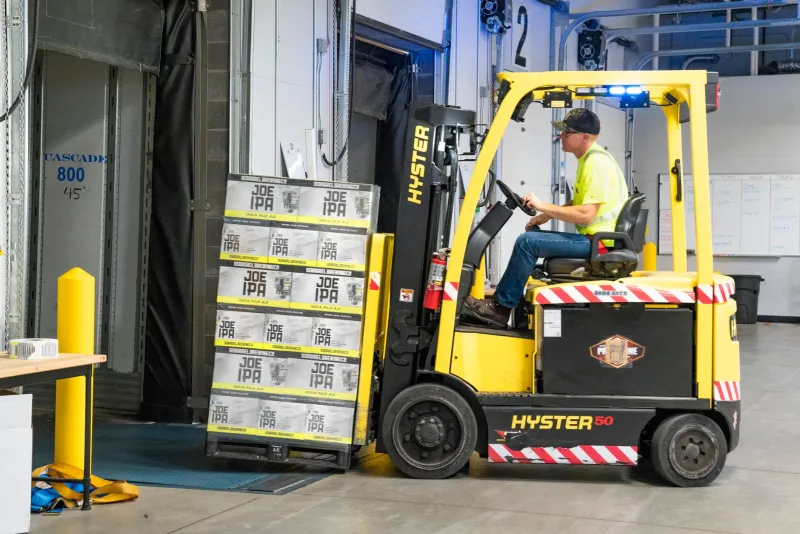
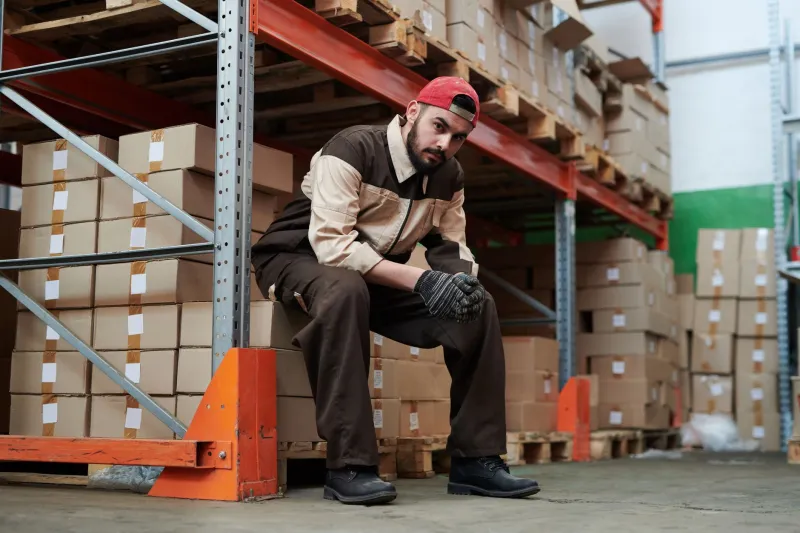
Somewhere in a refrigerated warehouse outside of Memphis, a technician is troubleshooting a compressor that failed at 2:00 a.m. A few hundred miles away, a reefer truck coordinator is rerouting a load of insulin after a highway closure pushed the delivery window past its compliance threshold. Neither of them will make headlines. Neither of them expects to.
This is the cold chain workforce — skilled, often anonymous, and absolutely indispensable to the functioning of American commerce and public health.
What the Cold Chain Actually Requires
The term "cold chain" refers to the unbroken sequence of temperature-controlled environments through which perishable goods travel — from manufacturer or farm to end recipient. It encompasses refrigerated warehousing, specialized transport, real-time monitoring systems, and the human beings who maintain all of the above under pressure.
According to the Global Cold Chain Alliance, the United States operates one of the largest refrigerated storage networks in the world, with hundreds of millions of cubic feet of temperature-controlled space spread across the country. That infrastructure supports everything from frozen food distribution to the pharmaceutical supply chain, which itself depends on cold chain integrity for vaccines, biologics, and specialty medications.
But infrastructure is only as reliable as the people operating it. And those people face challenges that rarely surface in boardroom conversations about supply chain resilience.
Equipment Failures Don't Wait for Business Hours
For refrigerated warehouse technicians, the job demands an almost constant state of readiness. Mechanical failures in cold storage facilities are not merely inconvenient — they are potentially catastrophic. A compressor malfunction can compromise an entire bay of product within hours. A temperature excursion in a pharmaceutical storage unit can render millions of dollars in medication unsalvageable and, more critically, unsafe for patient use.
The FDA's recall database offers a sobering look at what happens when cold chain integrity breaks down. In recent years, the agency has documented numerous Class I recalls — the most serious category — tied to temperature control failures affecting everything from ready-to-eat deli meats to injectable biologics. Each of those recall events traces back, at least in part, to a breakdown somewhere in the physical chain of custody.
Field technicians are the first line of defense against those outcomes. They monitor sensor arrays, respond to alarm events, perform preventive maintenance on aging equipment, and make real-time decisions about product disposition when something goes wrong. Many do this work across overnight and weekend shifts, in environments that hover near freezing, with limited direct supervision.
The Last-Mile Temperature Problem
If refrigerated warehousing represents the cold chain's backbone, last-mile delivery is its most vulnerable point. The final leg of any temperature-sensitive shipment is where variables multiply and control diminishes.
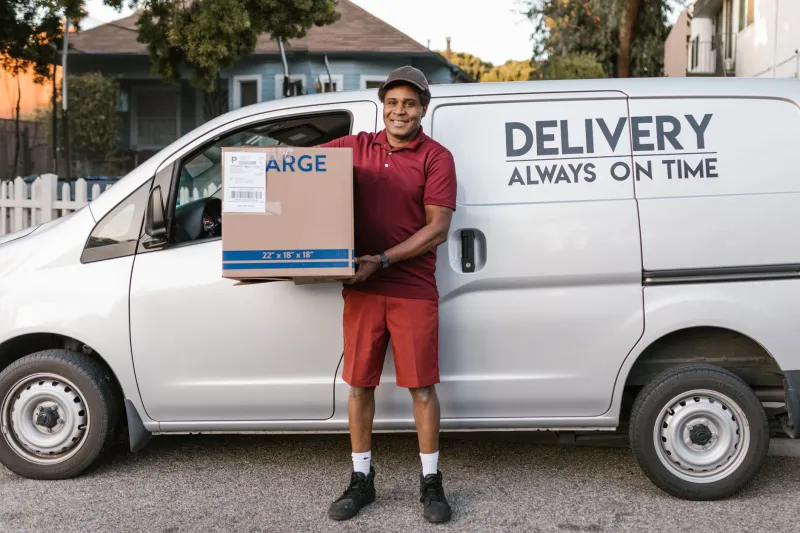
Last-mile temperature compliance checkers — field workers responsible for verifying that products arrive within specified temperature ranges — operate in a landscape defined by unpredictability. Door-to-door delivery in urban environments means repeated cargo exposure as vehicles stop and start. Extreme weather events, which have grown more frequent and severe across the United States in recent years, add further complexity. A heat wave in Phoenix or a winter ice storm in Dallas can disrupt even the most carefully planned delivery routes.
The 2021 winter storm that swept across Texas serves as a stark case study. Widespread power outages disrupted cold storage operations across the state, and field operators scrambled to transfer product, locate backup generators, and document temperature excursions for regulatory purposes — often without adequate support infrastructure. The disruption affected food supplies, pharmacies, and healthcare facilities simultaneously, and the workers managing those consequences did so largely out of public view.
Reefer Truck Coordination: Precision at Scale
The logistics of coordinating refrigerated transport — colloquially known as "reefer" operations — demands a specific combination of mechanical knowledge, regulatory fluency, and operational agility. Reefer truck coordinators manage not only routing and scheduling but also the mechanical performance of the transport units themselves.
Refrigerated trailers are complex machines. Their cooling units require regular maintenance, and a unit that fails en route carries consequences that extend well beyond a delayed delivery. Coordinators must track unit performance data, arrange for roadside service when needed, and make rapid decisions about load transfers when a unit becomes compromised. All of this occurs within the constraints of federal Hours of Service regulations, shipper delivery windows, and, in the case of pharmaceutical transport, GDP (Good Distribution Practice) compliance requirements.
The margin for error is, in practical terms, almost nonexistent. A shipment of temperature-sensitive biologics that arrives outside its specified range is not simply late — it is potentially unusable. The financial and public health implications of that outcome are significant.
A Workforce Under Pressure
Despite the stakes involved, cold chain field workers occupy a peculiar position in the broader labor landscape. The skills they possess are highly specialized, the conditions they work in are physically demanding, and the consequences of their work are felt by millions of Americans. Yet compensation, recognition, and career development pathways within this sector remain inconsistent.
Labor shortages in cold chain operations have been a documented concern for several years. The Bureau of Labor Statistics has noted persistent gaps in skilled trades across warehousing and transportation, and the cold chain sector is not immune. Recruiting workers willing to operate in sub-zero environments across irregular hours is a genuine operational challenge for many distribution networks.
This is not merely a human resources problem. It is a supply chain resilience problem. An understaffed cold storage facility is a facility operating closer to its failure threshold. A reefer coordinator managing too many units simultaneously is a coordinator less able to catch the early warning signs of a mechanical issue before it becomes a product loss event.
Ground-Level Integrity
There is a tendency, in discussions of supply chain modernization, to focus on technology — on sensor networks, predictive analytics, blockchain-based tracking, and autonomous vehicles. These tools matter. But they operate in service of a physical reality that still requires human judgment, human presence, and human accountability.
The cold chain does not hold because of software alone. It holds because a technician in Memphis caught a failing compressor before it took down a full bay of inventory. It holds because a compliance checker in New Jersey flagged a temperature excursion before a compromised shipment reached a hospital pharmacy. It holds because a reefer coordinator in Atlanta rerouted a load through a backup carrier when the primary unit went down at 11:00 p.m.
These are not abstract contributions. They are the ground-level actions that keep American consumers safe and American commerce functioning. The workers performing them deserve to be seen clearly — not as background elements in a supply chain diagram, but as the operational foundation upon which the entire system rests.
Cold chain integrity, ultimately, is a human achievement. And it is renewed, quietly, every single day.